Vector Glass: A Typeface for Modern Branding
In a digital landscape saturated with visual noise, achieving immediate clarity and sophistication is the ultimate goal for any designer. The Vector Glass typeface system offers a solution that merges structural integrity with visual intrigue, providing a dual-weight system engineered for high-end applications. This font family is not merely a set of characters; it is a strategic asset for creating brand identity that resonates with authority and modern aesthetics.
At its core, Vector Glass is built on precision-engineered geometric lines, ensuring that every letterform contributes to a clean and organized visual hierarchy. Whether you are developing a tech startup’s logo design or curating a luxury editorial layout, the balance between function and form here is exceptional.
The Duality of Design: Solid Authority vs. Transparent Elegance
The true power of this system lies in its two distinct weights, allowing you to adapt your visual design strategy without compromising the core DNA of the brand.
1. Vector Glass Solid
The Solid variant serves as the structural foundation of the family. With its heavy weight and high-impact presence, it commands attention immediately. It is the ideal choice for web design headers, app interfaces, and print media where maximum legibility is non-negotiable. When you need to convey trust and stability, the Solid weight provides the necessary professional presentation.
2. Vector Glass Effect
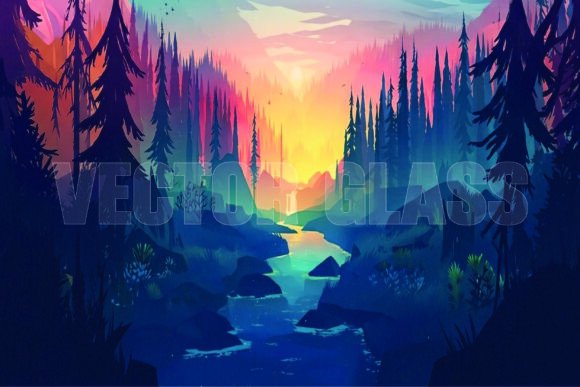
The Effect variant introduces a specialized translucent aesthetic that mimics the refraction and light-catching properties of polished glass. This design allows backgrounds, textures, and images to show through the characters. It is a sophisticated tool for creative projects that require a layer of depth and modern flair. Imagine using this for social media graphics or hero images on a website; it transforms standard text into a dynamic design element that interacts with the background.
Practical Applications for Creative Professionals
Understanding how to deploy Vector Glass effectively can elevate various aspects of your design workflow. Here are practical scenarios where this typeface system excels:
- High-End Branding: Use the Solid weight for primary wordmarks and the Effect weight for secondary brand elements or watermarks to create a versatile color palette and identity system.
- Editorial Design: In magazine layouts or digital brochures, the Glass effect adds a futuristic touch to pull-quotes or section headers, enhancing the user experience.
- Digital Marketing: For banner ads and email headers, the bold geometry ensures that your message is readable even at smaller scales, improving click-through rates.
- Packaging Design: The translucent effect can simulate embossing or foil stamping on printed materials, adding a tactile quality to visual communication.
- UI/UX Design: Use the Solid weight for navigation menus to ensure accessibility, while using the Glass effect for splash screens or loading animations to maintain visual interest.
Tips for Selecting and Using Premium Typefaces
When integrating a new asset like Vector Glass into your toolkit, consider the following to ensure it enhances your graphic design output:
- Test for Scalability: Always test your typography at various sizes. While the Glass effect is stunning on large hero images, ensure the Solid weight holds up well on mobile screens for UI design.
- Maintain Consistency: A strong brand relies on consistency. Use the two weights to create a system—one for impact, one for accent—but stick to the established rules throughout your marketing materials.
- Context Matters: The transparent nature of the Effect version requires careful consideration of background complexity. Ensure there is enough contrast to maintain readability, a key principle in UX design.
Ultimately, the tools you choose define the quality of your output. By selecting a typeface system like Vector Glass, you are investing in a resource that bridges the gap between traditional typography and modern digital content creation. It empowers designers to produce work that is not only visually striking but also strategically sound, ensuring that every project—from advertising campaigns to digital products