Spider Web: A Unique Color Font for Nature & Kids' Designs
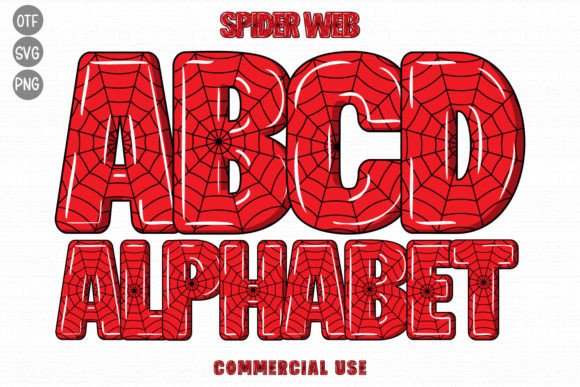
Imagine a typeface that doesn't just display letters but weaves a story, transforming text into a tactile visual experience. That's the immediate impact of the Spider Web color font, a creative asset designed to infuse projects with organic texture and playful intrigue. Unlike standard typefaces, Spider Web is a color font with a distinct spider web skin texture, making it a standout tool in any designer's library for its ability to instantly elevate visual communication.
At its core, Spider Web is more than a novelty; it's a strategic asset for modern graphic design. In a digital landscape saturated with clean, minimalist fonts, this textured typeface offers a way to create immediate visual hierarchy and emotional resonance. Its intricate web pattern adds depth and a handcrafted quality, making it perfect for projects that aim to feel natural, whimsical, or slightly mysterious. This font directly addresses the design trend of incorporating organic, tactile elements into digital work, providing a unique solution for brand identity and creative projects.
Practical Applications for Creative Impact
The versatility of the Spider Web font allows it to be woven into a wide array of design contexts. Its unique character makes it particularly effective for specific applications where visual impact is paramount.
- Branding and Logo Design: Ideal for nature-focused brands, adventure companies, or children's product lines. It can serve as a distinctive logomark or a stylized wordmark that instantly communicates a theme.
- Marketing and Social Media Graphics: Use it for headline text in posters, flyers, and social media posts to grab attention. It's perfect for Halloween promotions, environmental campaigns, or educational content for kids.
- Web and UI Design: Apply it sparingly for hero section titles, call-to-action buttons, or section headers to add a touch of personality without compromising overall user experience (UX).
- Packaging and Editorial Design: Creates shelf appeal for products like organic foods, craft kits, or storybooks. In magazines or book covers, it can set a thematic tone for a specific feature or chapter.
- Digital Products and Merchandise: Enhances the perceived value of digital downloads, presentation templates, or printed merchandise like t-shirts and posters.
Integrating Spider Web into Your Design Workflow
Effective use of a display font like Spider Web requires thoughtful integration. To maintain a professional presentation and ensure readability, consider these practical tips:
- Pair with Simplicity: Balance its intricate texture with clean, sans-serif fonts for body copy. This creates a clear visual hierarchy and prevents the design from feeling cluttered.
- Mind the Color Palette: As a color font, its built-in texture works best against solid, contrasting backgrounds. Test its visibility and ensure it aligns with your project's overall color palette.
- Use for Emphasis, Not Bulk: Reserve Spider Web for key headlines, logos, or short phrases. Its detailed nature can reduce legibility in long paragraphs or small sizes, which is a critical consideration for UX design.
- Scale with Purpose: Test the font at various sizes. Its texture shines at larger scales where the web pattern is fully appreciable, making it a powerful tool for print design and large-format advertising.
Choosing the right creative assets is fundamental to successful visual design. A resource like the Spider Web font demonstrates how a single, well-crafted element can provide unique design inspiration and solve specific communication challenges. By selecting typography and graphic elements that are not only aesthetically pleasing but also contextually relevant, designers and creators can build more engaging, memorable, and effective brand identities. Ultimately, investing in quality assets streamlines the design workflow and ensures that every project, from social media graphics to packaging, achieves a polished and impactful result.