Magical Street Graffiti: A Dynamic Color Font for Bold Design
In the ever-evolving landscape of graphic design, typography has transcended its purely functional role to become a central element of visual storytelling. The right typeface doesn't just convey words; it establishes mood, reinforces brand identity, and captures attention in a crowded digital space. This is where expressive assets like the Magical Street Graffiti Color font come into play, offering designers a tool that merges the raw energy of street art with the precision of digital typography.
Understanding the Visual Impact of Graffiti-Inspired Type
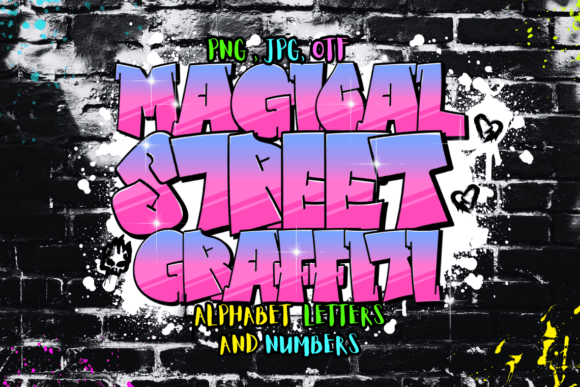
Street art has long been a powerful medium for cultural expression, known for its vibrant colors, dynamic compositions, and undeniable urban edge. Translating this aesthetic into a usable font requires a delicate balance. A successful graffiti-style font must maintain readability while preserving the authentic, hand-painted feel that gives it character. The Magical Street Graffiti font achieves this with its enchanting handwritten style and integrated color graphics, providing a pre-designed visual hierarchy that simplifies the creation of impactful designs.
For designers and creators, this type of asset is invaluable. It eliminates the need for complex layering or manual illustration to achieve a multi-colored, textured effect. The font itself carries the visual weight, making it an efficient solution for projects that demand a bold, modern aesthetic with a touch of whimsy and artistry.
Practical Applications for Creative Projects
The versatility of a well-designed color font extends across numerous creative and commercial domains. Its dynamic nature makes it particularly effective for applications where grabbing immediate attention is paramount. Consider integrating such typography into:
- Branding and Logo Design: Perfect for brands targeting a youthful, creative, or urban demographic. It can instantly communicate a brand's personality as innovative and culturally aware.
- Marketing and Social Media Graphics: Ideal for creating scroll-stopping posts, event promotions, and campaign visuals. The built-in color palette ensures consistency across platforms.
- Editorial and Web Design: Use it for striking headlines in magazines, blogs, or website hero sections to create a strong focal point and guide the user's eye.
- Packaging and Merchandise: Elevates product packaging, apparel, and merchandise with an authentic street-art vibe, appealing to consumers looking for unique, expressive goods.
Integrating Expressive Typography into Your Design Workflow
While a font like Magical Street Graffiti offers tremendous creative freedom, its effectiveness hinges on thoughtful application. As with any design element, context is key. To ensure it enhances rather than overwhelms your project, consider the following principles:
- Audience and Context: Always align your typographic choices with your target audience and the project's goals. A graffiti font is excellent for a music festival poster but may be less suitable for a corporate financial report.
- Visual Hierarchy and Balance: Use such a bold font sparingly, typically for headlines or key call-to-action phrases. Pair it with a clean, neutral sans-serif or serif font for body text to maintain readability and create a balanced composition.
- Technical Compatibility: It's crucial to understand the technical specifications of your assets. As a color font in OpenType-SVG format, it is optimized for professional software like Adobe Photoshop and Illustrator. This format preserves the intricate color details but may not be compatible with all cutting machines or basic design software. Always verify compatibility with your intended output method.
Ultimately, the strength of any visual design lies in the harmony of its components. Typography, color palette, imagery, and composition must work in concert to communicate a clear message and evoke the desired emotion. Investing in high-quality, specialized creative assets like a professional color font is an investment in the clarity and impact of your visual communication. By making informed, purposeful choices, designers can leverage these tools to produce work that is not only aesthetically compelling but also strategically effective, ensuring their projects resonate with audiences and stand out in the modern design landscape.