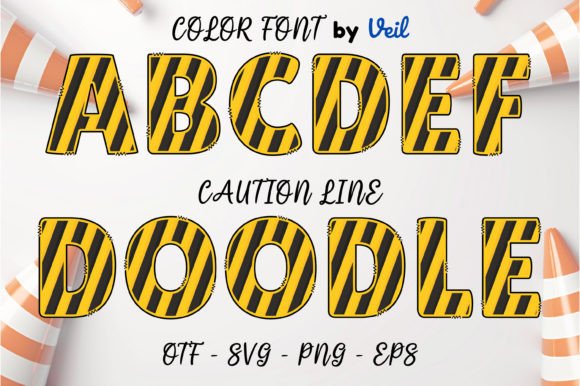
Caution Line: A Playful Font for Creative Design Projects
In the world of graphic design, typography is a silent ambassador for your brand's personality. Choosing the right font can instantly convey a sense of fun, creativity, and approachability, making it a critical asset for any designer's toolkit. This is where a distinctive typeface like Caution Line becomes invaluable. Designed with a whimsical and artistic flair, it's a creative resource built to inject energy and character into a wide array of visual projects.
Understanding the Caution Line Font
Caution Line is more than just a collection of letters; it's a design element crafted to evoke a specific feeling. Its playful aesthetic makes it a go-to choice for projects that need to connect with audiences on an emotional level, particularly those targeting families, children, or creative communities. The font's unique style helps establish a memorable visual hierarchy, ensuring key messages stand out with personality and charm.
Key Characteristics and Creative Applications
This typeface excels in designs that aim to be engaging and lighthearted. Its visual impact is most powerful in contexts where creativity and a friendly tone are paramount. Consider its use in:
- Children's Books and Educational Materials: The whimsical, easy-to-read letterforms create an inviting reading experience for young audiences.
- Event Invitations and Greeting Cards: Add a personal, artistic touch to birthdays, holidays, and special announcements.
- Poster and Packaging Design: Capture attention on shelves or in promotional materials with a font that communicates fun and originality.
- Brand Identity for Creative Businesses: Ideal for bakeries, toy stores, craft studios, or any brand wanting to project a playful and approachable image.
- Social Media Graphics and Digital Marketing: Create eye-catching posts, stories, and ads that stand out in a crowded feed.
Practical Considerations for Designers
When integrating a specialty font like Caution Line into your design workflow, understanding its technical specifications is crucial for a seamless process. The font typically comes in various formats, and compatibility is key.
For instance, the black version of the font is fully compatible with popular cutting machines like Cricut Design Space, making it perfect for DIY projects, merchandise, and print design. However, it's important to note that the color version of the font—which may include multicolored or gradient elements—is only compatible with specific design software such as Adobe Photoshop, Illustrator, Silhouette Studio, and Inkscape. The OTF and TTF files for the color version will not work with Cricut. Always verify compatibility with your tools to maintain an efficient design workflow.
Tips for Effective Typography Selection
Choosing a font is a strategic decision that impacts readability, brand perception, and overall user experience. Here are some practical tips for evaluating and using creative assets like Caution Line effectively:
- Prioritize Readability: Even the most artistic font must be legible at its intended size, whether on a mobile screen or a printed poster.
- Maintain Brand Consistency: Ensure the font's personality aligns with your broader brand identity and color palette. It should complement, not clash with, your existing visual system.
- Consider Scalability: Test how the font looks across different applications—from a small logo to a large banner—to ensure it retains its impact.
- Use for Emphasis: Playful fonts are often best used for headlines, logos, or call-to-action buttons rather than long blocks of body text.
Thoughtful typography is a cornerstone of professional graphic design. By selecting high-quality, purpose-driven creative assets, you can significantly elevate your projects, strengthen brand communication, and create more engaging visual experiences. A font like Caution Line offers a fantastic way to add personality and artistic value, ensuring your designs not only look polished but also resonate deeply with your intended audience.